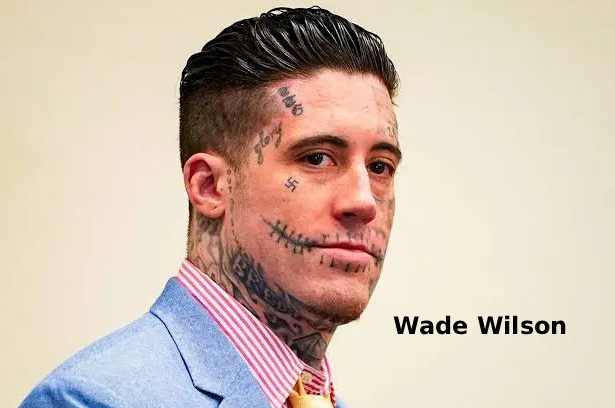
The name Wade Wilson gained widespread attention in the United States, not because of celebrity status or public achievement, but due to a shocking criminal case that unfolded in Florida in 2019. While the name may sound familiar to many because of its association with the fictional Marvel character known as Deadpool, the real-life individual behind the name is connected to a far darker narrative. This coincidence led to intense media coverage and the label “Deadpool Killer,” which further amplified public curiosity.
What makes this case particularly unsettling is not just the severity of the crimes, but also the speed and randomness with which they occurred. Within a single day, two lives were brutally taken, leaving a lasting impact on the victims’ families and the broader community. The story quickly evolved into a widely discussed true crime case, analyzed across news platforms, documentaries, and online discussions.
Early Life and Background of Wade Wilson
Wade Steven Wilson was born in 1994 in the United States. Reports indicate that his early life was marked by instability, including adoption and challenges related to identity and upbringing. While many individuals face difficult childhood circumstances without turning to crime, such experiences can sometimes contribute to long-term behavioral issues, especially when combined with other risk factors.
As he grew older, Wilson reportedly struggled with substance abuse and became involved in various forms of criminal activity. His record prior to 2019 included offenses such as theft and burglary. These incidents suggest a pattern of escalating behavior, where smaller crimes gradually gave way to more serious violations. This trajectory is often observed in individuals who lack consistent intervention or rehabilitation.
Another important aspect of his background includes reported mental health concerns and possible neurological issues. While such factors do not excuse criminal behavior, they are frequently examined during legal proceedings to understand a defendant’s state of mind. In Wilson’s case, these elements became part of the broader narrative discussed during the trial and sentencing phases.
The Events of October 7, 2019
The crimes that brought national attention to Wade Wilson occurred on October 7, 2019, in Cape Coral, Florida. The timeline of events is particularly disturbing due to how quickly the incidents unfolded. Within hours, two separate individuals were targeted, resulting in a sequence of violent acts that shocked both law enforcement and the public.
The first victim, Kristine Melton, encountered Wilson under circumstances that initially appeared non-threatening. According to case reports, Wilson later attacked her in her home, ultimately leading to her death. The method used in the crime, combined with the lack of a clear motive, contributed to the perception of extreme brutality.
Shortly after, Wilson encountered his second victim, Diane Ruiz. He reportedly used deception to gain her trust before carrying out another violent act. The details of this second crime were described during the trial as particularly severe, further emphasizing the unpredictable and dangerous nature of his actions.
These back-to-back incidents demonstrated a pattern of escalating violence within a very short period. For investigators, the proximity in time and location helped establish a clear connection between the crimes, ultimately leading to a rapid response and arrest.
Investigation and Arrest
Following the crimes, law enforcement agencies in Florida acted quickly to identify and apprehend the suspect. One of the most critical developments in the investigation was Wilson’s own admission of involvement. He reportedly contacted his biological father and confessed to the crimes, a decision that played a significant role in accelerating the arrest process.
Once authorities were alerted, they were able to locate and detain Wilson without significant delay. The combination of his confession and the physical evidence collected from the crime scenes provided a strong foundation for the prosecution’s case. This level of clarity is relatively rare in complex criminal investigations, where cases can often take months or even years to build.
During questioning, investigators sought to understand the motives behind the crimes. However, reports indicate that no clear or rational explanation was provided. This lack of motive added another layer of complexity to the case, as it challenged conventional assumptions about why such acts are committed.
The investigation also involved forensic analysis, witness statements, and digital evidence. Together, these elements helped reconstruct the timeline and confirm Wilson’s involvement beyond any reasonable doubt. By the time the case moved to trial, the evidence against him was substantial and well-documented.
Trial Proceedings and Legal Arguments
The trial of Wade Wilson began several years after the crimes, allowing both the prosecution and defense to prepare their arguments thoroughly. The prosecution focused on demonstrating the intentional and premeditated nature of the murders. They presented evidence showing that Wilson’s actions were deliberate and carried out with a clear awareness of their consequences.
On the other hand, the defense attempted to highlight mitigating factors, including Wilson’s mental health history and personal background. These arguments are common in capital cases, where the goal is often to avoid the death penalty by emphasizing circumstances that may reduce moral culpability. The defense may also have explored the impact of substance abuse on Wilson’s behavior at the time of the crimes.
Throughout the trial, testimony from experts, law enforcement officers, and individuals connected to the victims played a crucial role. These accounts helped paint a detailed picture of both the events and their aftermath. Emotional statements from the victims’ families underscored the human cost of the crimes, reminding the court of the lives that were lost.
Ultimately, the jury found Wilson guilty of first-degree murder. The conviction reflected the strength of the evidence and the severity of the crimes. The case then moved to the sentencing phase, where the question of punishment became the central focus.
Sentencing and Death Penalty Decision
After the guilty verdict, the court entered the sentencing phase, during which both sides presented arguments regarding the appropriate punishment. In cases involving multiple murders and extreme violence, the death penalty is often considered. However, the decision is never automatic and requires careful evaluation by the jury.
The prosecution emphasized the brutality of the crimes, describing them as heinous and demonstrating a complete disregard for human life. They argued that the nature of the offenses warranted the most severe penalty available under the law. This perspective was supported by the evidence presented during the trial, which highlighted the deliberate and violent nature of Wilson’s actions.
The defense, meanwhile, continued to argue for a lesser sentence, such as life imprisonment without the possibility of parole. They likely reiterated points related to mental health and personal history, aiming to show that execution would not serve justice in this case. These arguments are designed to appeal to the jury’s sense of compassion and fairness.
In 2024, the jury recommended the death penalty, and the judge formally sentenced Wilson to death. This decision marked the conclusion of the trial phase and placed him on death row in Florida. As with many capital cases, appeals and legal reviews are expected to follow, meaning the final outcome may take years to fully resolve.
Media Coverage and Public Reaction
The case of Wade Wilson attracted significant media attention, partly due to the shocking nature of the crimes and partly because of the unusual coincidence of his name. The nickname “Deadpool Killer” quickly spread across news outlets and social media, drawing in audiences who might not otherwise follow true crime stories.
This level of attention can be both informative and problematic. On one hand, it helps raise awareness about serious issues and keeps the public informed about legal proceedings. On the other hand, it can sometimes lead to sensationalism, where certain aspects of a case are exaggerated for the sake of engagement. In this instance, the focus on Wilson’s name and appearance occasionally overshadowed the experiences of the victims and their families.
Public reaction to the case was largely one of shock and condemnation. Many people struggled to understand how such acts could occur without a clear motive. The randomness of the violence contributed to a broader sense of unease, as it challenged assumptions about personal safety and predictability.
At the same time, the case sparked discussions about mental health, criminal justice, and the effectiveness of rehabilitation programs. These conversations highlight the complex nature of such cases, where multiple factors intersect to produce tragic outcomes.
Psychological and Social Considerations
Analyzing cases like this often involves exploring psychological and social factors that may contribute to criminal behavior. While it is important not to excuse or justify violence, understanding these elements can provide valuable insights into prevention and intervention strategies.
In Wilson’s case, reported issues such as substance abuse, possible brain trauma, and a history of unstable relationships were frequently mentioned. These factors are commonly associated with increased risk of violent behavior, especially when combined with a lack of support systems. However, it is equally important to recognize that many individuals with similar challenges do not commit crimes, indicating that no single factor can fully explain such actions.
Social influences, including environment, peer interactions, and access to resources, also play a role. The absence of positive guidance or intervention can allow harmful patterns to develop over time. This highlights the importance of early support and monitoring, particularly for individuals who exhibit warning signs.
From a broader perspective, cases like this emphasize the need for continued investment in mental health services, substance abuse treatment, and community outreach programs. While these measures cannot eliminate all risks, they can reduce the likelihood of extreme outcomes.
Impact on Victims’ Families and the Community
Beyond the legal and psychological aspects, it is essential to consider the impact of these crimes on the victims’ families and the community. The loss of loved ones under such violent circumstances creates lasting trauma that extends far beyond the initial event. Families are often left to cope with grief, anger, and unanswered questions.
Community members may also experience a sense of fear and vulnerability, particularly when crimes occur without an apparent motive. This can lead to increased anxiety and a desire for stronger safety measures. In Cape Coral, the events of October 2019 left a lasting impression, reminding residents of the importance of vigilance and community support.
Efforts to honor the victims and support their families are a crucial part of the healing process. Memorials, awareness campaigns, and community initiatives can help ensure that the focus remains on those who were lost, rather than solely on the individual responsible for the crimes.
Conclusion
The case of Wade Wilson stands as a stark reminder of how quickly and unpredictably violence can occur. From his troubled background to the shocking events of October 7, 2019, and the subsequent legal proceedings, every aspect of the case highlights the complexity of criminal behavior and the far-reaching consequences of such actions.
While the legal system has delivered its verdict, the broader questions raised by this case remain relevant. Issues related to mental health, substance abuse, and early intervention continue to be important areas of discussion. At the same time, the experiences of the victims and their families serve as a powerful reminder of the human cost behind every headline.
In the end, understanding this case is not just about examining one individual’s actions, but about recognizing the interconnected factors that shape behavior and the importance of addressing them proactively.
Also Read: Lovie Simone