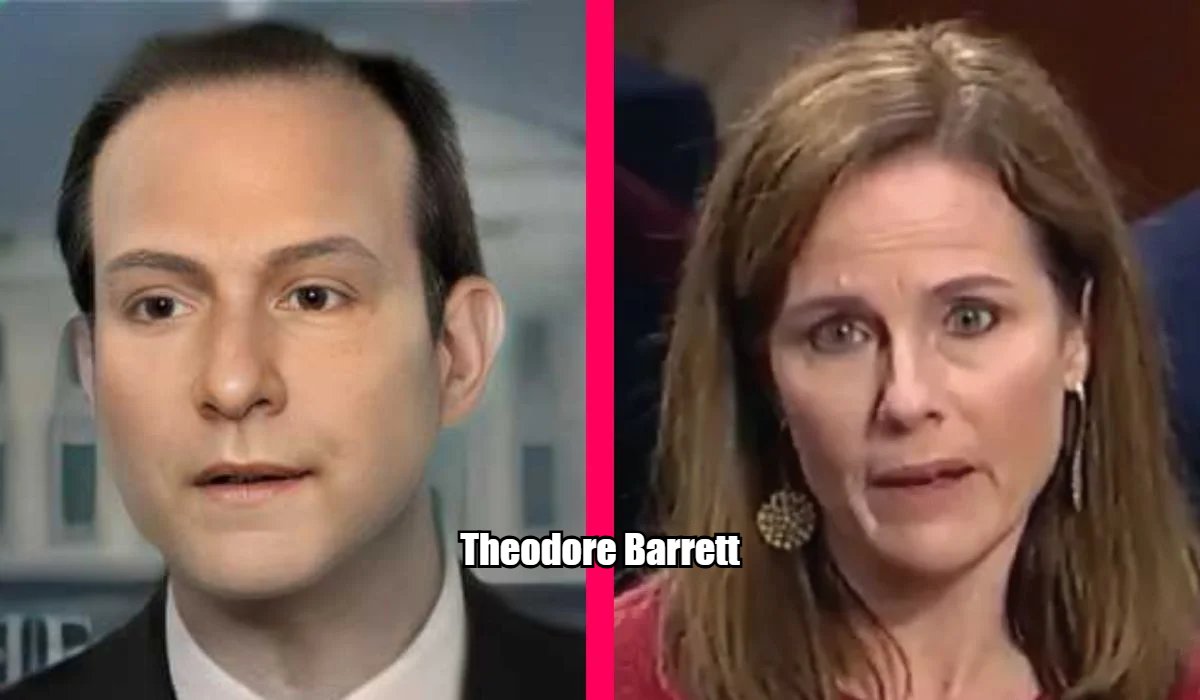
Who Is Theodore Barrett?
Theodore Barrett is a name many people search after watching a strange and emotional press conference clip online. In the video, a man presented as a White House press secretary appears to speak calmly about his wife’s death while continuing to focus on political talking points. The clip looks serious, polished, and official, which is exactly why so many viewers believed it was real.
The truth is that Theodore Barrett is not a real White House official. He is a fictional character from a satirical video created by The Onion, a well-known comedy and satire outlet. Fact-checkers have confirmed that the clip was not an actual White House briefing and that the story about his wife’s accident was made up for satire.
What makes Theodore Barrett interesting is not his real-life biography, because there is no verified real person behind that government role. What makes him interesting is how quickly fictional content can spread online as if it were real. His story has become a strong example of how satire, emotional storytelling, and realistic production can confuse audiences in the social media age.
Why Theodore Barrett Became Popular Online
Theodore Barrett became popular because the video feels uncomfortable from the very beginning. Viewers see a man discussing a deeply personal tragedy, yet he seems more focused on controlling the press conference than showing grief. That emotional contrast is shocking, and it naturally pushes people to ask, “Is this real?”
The clip also works because it uses the style of a real political briefing. The podium, reporters, serious tone, and official setting all make it look believable. Many viral videos succeed because they feel authentic at first glance, and the Theodore Barrett video is a perfect example of that pattern.
Another reason the name keeps trending is that people often see short clips without context. A full satirical video may be easier to understand, but a short social media repost can remove the comedy label, the source, and the original framing. Once that happens, viewers may treat the character as a real person rather than a fictional figure created for political satire.
The Story Behind Theodore Barrett’s Wife
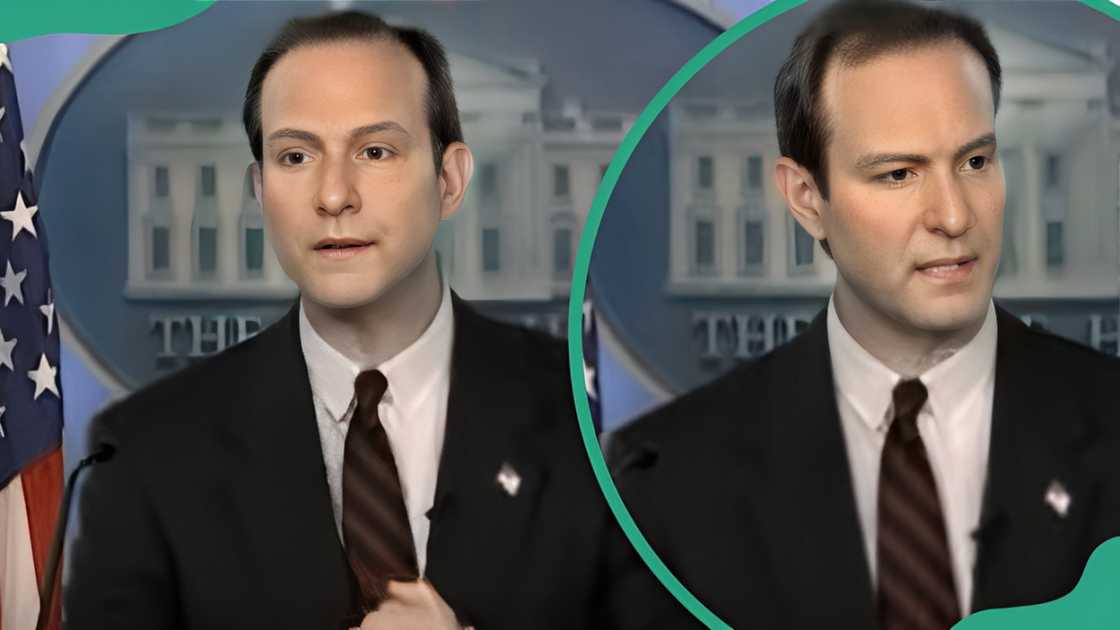
The most searched part of the Theodore Barrett story is usually connected to his wife. In the viral clip, Barrett is shown speaking after a supposed car accident involving his wife and children. The emotional hook is strong because it sounds like a personal tragedy being handled in a cold and professional way.
However, there is no verified real-life wife connected to Theodore Barrett because the character himself is fictional. The supposed accident, the wife, and the children mentioned in the video were all part of the scripted satire. India Today’s fact-check clearly stated that the video was a work of fiction from The Onion, not a real incident.
This matters because many websites and social media pages have treated the fictional wife story like a real biography. That creates confusion for readers. A responsible article about Theodore Barrett should make one thing clear: there is no confirmed real tragedy behind the viral clip. It is a fictional scene designed to criticize political communication and public image management.
Is Theodore Barrett a Real White House Press Secretary?
No, Theodore Barrett was not a real White House press secretary. The White House press secretary is a real government role, but there is no credible public record showing Theodore Barrett holding that position. The video uses the role as part of a fictional setup, which is why it feels official but does not match real government records.
The role of the White House press secretary involves communicating the administration’s message, answering media questions, and representing the president’s public position. Because the role is highly visible, people naturally assume that a clip showing a press secretary must be based on a real official event. That assumption is exactly what makes the satire effective.
There has been a real White House press secretary named Theodore Joslin, who served under President Herbert Hoover, but he should not be confused with Theodore Barrett. Joslin was an actual historical figure, while Barrett is a fictional character from a comedy video. This name similarity may be one reason some people continue to search for Barrett as if he were a real public official.
What the Theodore Barrett Video Was Really Satirizing
The Theodore Barrett video is not just random dark humor. It is satire aimed at the way political communication can sometimes feel emotionally detached. By showing a fictional official refusing to focus on his own tragedy, the video exaggerates the idea that political messaging can become more important than basic human emotion.
The joke is uncomfortable on purpose. Satire often works by pushing a real-world behavior to an extreme. In this case, the target is the polished, controlled language used in political press rooms. Barrett’s calm behavior is not meant to be admired; it is meant to feel absurd, unnatural, and disturbing.
That is why the clip continues to work years later. People recognize the tone of official communication. They have seen public figures avoid direct answers, redirect questions, and stay “on message.” Theodore Barrett takes that habit to an extreme level, turning it into a sharp criticism of public relations culture.
Why People Mistook Theodore Barrett for a Real Person
Many people believed Theodore Barrett was real because the video does not look like obvious comedy at first. There are no loud jokes, cartoon effects, or exaggerated costumes. Instead, the humor is dry, serious, and almost documentary-like. That style is common in satire, but it can also be misunderstood when clips are separated from their original source.
Social media also plays a major role in the confusion. When a short clip is uploaded without context, viewers may only see the emotional moment. They may not see the title, description, or original account that identifies the video as satire. This makes fictional content easier to misread as genuine news.
Another issue is that search engines can amplify confusion. Once enough people search “Theodore Barrett wife” or “Theodore Barrett real story,” content creators start writing about the topic. Some explain it properly, while others repeat the fictional details as if they were real. That cycle keeps the myth alive.
The Lesson Behind the Theodore Barrett Trend
Theodore Barrett’s viral story teaches an important lesson about online media literacy. Not every serious-looking video is real, and not every emotional story has a factual background. Before accepting a viral clip as truth, it is important to check where it came from and whether reliable sources have verified it.
The trend also shows how powerful satire can be. A well-made satirical clip can reveal something true about society even if the story itself is fictional. Theodore Barrett did not exist as a real official, but the video still comments on real issues like political spin, media control, and emotional distance in public communication.
For readers, the safest takeaway is simple: Theodore Barrett is a fictional character, not a real White House press secretary. His wife’s death was not a real event, and the viral press conference was created as satire. The reason people still talk about him is because the video was convincing enough to blur the line between comedy and reality.
Conclusion
Theodore Barrett is one of those internet names that proves how easily fiction can become “fact” when it spreads without context. The viral press conference clip looked serious enough to fool many viewers, but confirmed fact-checks show it was a satirical production by The Onion.
The story remains popular because it combines shock, emotion, politics, and realism. People are drawn to the strange behavior of the character, then they search for the truth behind him. That curiosity has kept the keyword “Theodore Barrett” alive long after the original video first appeared.
Also Read: InsiderPeel.co.uk