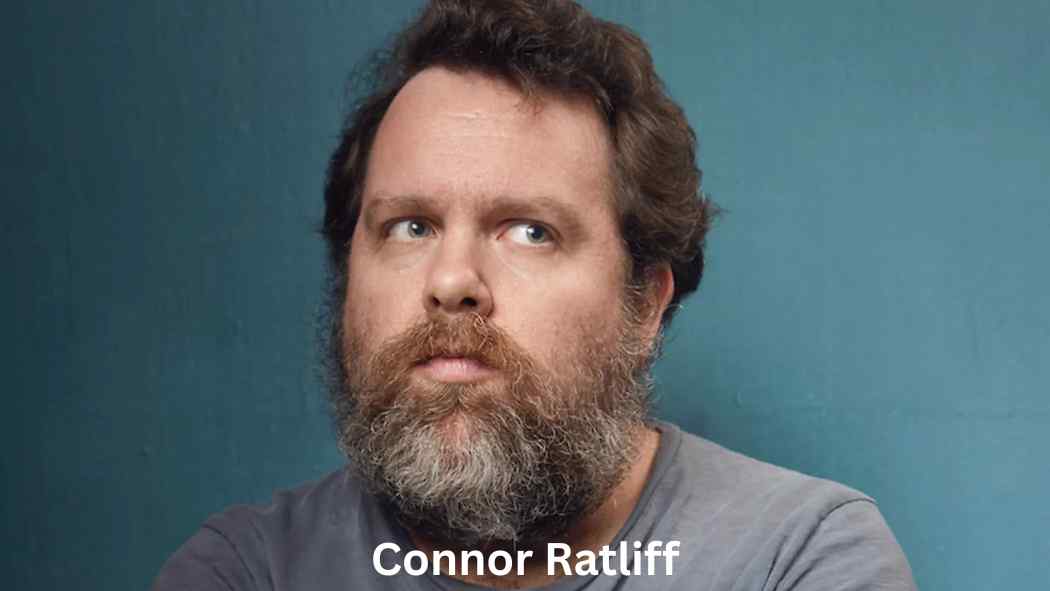
Connor Ratliff is not your typical comedian. While many performers chase mainstream recognition through stand-up specials or blockbuster roles, Ratliff has carved out a distinctive space by blending improvisation, storytelling, and deeply personal experiences. His work often sits at the intersection of humor and introspection, making him one of the most interesting creative voices in modern comedy.
What makes Ratliff stand out is his ability to transform moments that would discourage most people into opportunities for creative expression. Instead of hiding failures, he brings them to the center of his work, examining them with humor, curiosity, and emotional honesty. This approach has resonated with audiences who appreciate comedy that feels both entertaining and genuine.
Early Life and Educational Background
Connor Ratliff was born on August 27, 1975, in Missouri, United States. Growing up in the Midwest, he developed an early interest in storytelling and performance, although his path into comedy was not immediate. Like many creative individuals, his journey involved exploration, uncertainty, and gradual discovery of his true calling.
One of the defining aspects of his early life was his decision to study at the Liverpool Institute of Performing Arts in England. This experience exposed him to a diverse range of artistic influences and performance styles. Studying abroad not only broadened his perspective but also helped shape his approach to acting and comedy. It allowed him to experiment in an environment that encouraged creativity and risk-taking.
After completing his education, Ratliff spent time in London working as an actor before eventually moving to New York City. This transition marked a significant turning point in his career. New York’s vibrant comedy scene, particularly its improv culture, provided the perfect environment for him to refine his skills and develop his unique voice as a performer.
The Improv Foundation: Building a Career at UCB
Ratliff’s comedy career is deeply rooted in improvisational theater. He became a long-time performer at the Upright Citizens Brigade Theatre, commonly known as UCB, which is widely regarded as one of the most influential improv institutions in the United States. This environment played a crucial role in shaping his comedic style.
Improv comedy demands quick thinking, collaboration, and a willingness to embrace uncertainty. Ratliff excelled in this setting, becoming known for his sharp wit and ability to create compelling scenes in real time. His work with improv groups, particularly The Stepfathers, helped him gain recognition among peers and audiences alike.
The influence of improv is evident in everything Ratliff does. His performances often feel spontaneous and conversational, even when they are carefully structured. This blend of improvisation and storytelling allows him to connect with audiences on a deeper level, making his work feel both relatable and unpredictable.
The “Dead Eyes” Story: Turning Rejection Into Art
One of the most defining moments in Connor Ratliff’s career came early on when he was cast in the HBO miniseries Band of Brothers. However, before filming began, he was unexpectedly fired. The reason, reportedly given by Tom Hanks, was that Ratliff had “dead eyes.” For many actors, such an experience would be devastating and perhaps career-ending.
Instead of letting this rejection define him negatively, Ratliff transformed it into a creative project years later. He created the podcast Dead Eyes, where he explores the story behind his firing and examines broader themes of rejection, self-doubt, and resilience. The podcast is both humorous and deeply reflective, offering listeners a unique perspective on failure in the entertainment industry.
What makes Dead Eyes particularly compelling is its sincerity. Ratliff does not approach the topic with bitterness but with curiosity and openness. He interviews fellow actors, comedians, and industry professionals, using their insights to piece together his own story. The podcast gained widespread acclaim and even featured an appearance by Tom Hanks, bringing the narrative full circle in a remarkably satisfying way.
The George Lucas Talk Show: Comedy Meets Character Work
Another major highlight of Ratliff’s career is The George Lucas Talk Show, a live and later online comedy show where he performs as a fictionalized version of filmmaker George Lucas. The concept is simple yet brilliant: Ratliff stays in character while hosting interviews with real guests, creating a unique blend of parody and genuine conversation.
The show gained significant popularity, especially during the COVID-19 pandemic when it transitioned to a livestream format. At a time when many people were seeking entertainment from home, The George Lucas Talk Show provided a fresh and engaging experience. Its long-form, relaxed style allowed for deeper conversations and unexpected comedic moments.
Ratliff’s commitment to the character is one of the show’s strongest elements. He maintains the persona throughout each episode, adding layers of humor and absurdity to the interactions. At the same time, the show never feels forced or gimmicky. Instead, it showcases Ratliff’s ability to balance character work with authentic engagement, making it a standout in the world of comedy programming.
Television and Film Appearances
In addition to his work in comedy and podcasting, Connor Ratliff has built a solid resume as an actor in television and film. He has appeared in a variety of projects, often in supporting roles that highlight his comedic timing and unique presence.
Some of his notable appearances include shows like Search Party, The Marvelous Mrs. Maisel, Orange Is the New Black, and Last Week Tonight with John Oliver. Each of these roles, while not always central to the storyline, contributes to his growing reputation as a versatile performer who can adapt to different formats and styles.
Ratliff also appeared in the 2024 adaptation of Mean Girls, further expanding his reach into mainstream entertainment. While he may not always be the lead, his performances consistently leave an impression, demonstrating his ability to elevate even smaller roles through nuance and humor.
A Unique Approach to Storytelling
What truly sets Connor Ratliff apart from many of his peers is his approach to storytelling. He does not rely solely on punchlines or traditional comedic structures. Instead, he focuses on creating narratives that are both entertaining and meaningful.
His work often explores themes such as identity, failure, and perseverance. By addressing these topics through humor, he makes them more accessible and relatable to audiences. This approach allows him to connect with people on an emotional level, something that is not always common in comedy.
Ratliff’s storytelling style is also characterized by its honesty. He is willing to be vulnerable and share personal experiences, even when they involve setbacks or insecurities. This authenticity is a key reason why his work resonates with so many people. It reminds audiences that failure is not something to be ashamed of but rather an opportunity for growth and creativity.
Influence on Modern Comedy
Connor Ratliff may not be the most widely recognized name in comedy, but his influence is significant, particularly within the improv and alternative comedy scenes. His work has inspired other performers to take risks and explore unconventional ideas.
By turning a personal rejection into a successful podcast and building a unique talk show concept, Ratliff has demonstrated that creativity often comes from unexpected places. He has shown that there is value in embracing one’s individuality and pursuing projects that may not fit into traditional categories.
His influence can also be seen in the growing popularity of podcasts and live-streamed comedy shows. These formats allow performers to experiment and connect with audiences in new ways, something that Ratliff has been doing for years. In this sense, he is not just a participant in modern comedy but a contributor to its evolution.
Challenges and Career Philosophy
Like many artists, Connor Ratliff has faced challenges throughout his career. The entertainment industry is notoriously unpredictable, and success is never guaranteed. However, Ratliff’s response to these challenges is what sets him apart.
Instead of viewing obstacles as setbacks, he treats them as opportunities for creative exploration. This mindset is evident in projects like Dead Eyes, where he turns a negative experience into something positive and impactful. It reflects a broader philosophy that values resilience and adaptability.
Ratliff’s career also highlights the importance of persistence. He has spent years honing his craft, performing in smaller venues, and building his reputation gradually. This long-term approach has allowed him to develop a strong foundation and maintain creative control over his work.
Personal Style and Public Persona
Connor Ratliff’s public persona is understated yet distinctive. He does not rely on flashy performances or exaggerated personas outside of his character work. Instead, he presents himself as thoughtful, observant, and quietly humorous.
This style extends to his interactions with audiences and collaborators. He often engages in conversations that feel natural and unscripted, creating an atmosphere of authenticity. Whether he is hosting a talk show or appearing on a podcast, his presence is consistently engaging.
His ability to switch between his real self and characters like George Lucas also showcases his versatility as a performer. It highlights his understanding of comedy as both an art form and a means of communication. This duality adds depth to his work and keeps audiences intrigued.
Legacy and Future Prospects
As Connor Ratliff continues to evolve as a performer, his legacy is already taking shape. He represents a new model of success in the entertainment industry—one that prioritizes creativity, authenticity, and personal expression over traditional fame.
Looking ahead, there is significant potential for Ratliff to expand his reach even further. Whether through new podcast projects, television roles, or innovative live performances, he has the skills and vision to continue pushing boundaries. His ability to adapt to changing formats and platforms ensures that he will remain relevant in an ever-evolving industry.
At the same time, his existing body of work serves as a testament to his talent and dedication. Projects like Dead Eyes and The George Lucas Talk Show will likely continue to influence and inspire future generations of comedians and storytellers.
Conclusion
Connor Ratliff’s career is a compelling example of how creativity and resilience can transform even the most challenging experiences into opportunities for growth. From his early days in improv to his success in podcasting and television, he has consistently demonstrated a commitment to originality and authenticity.
What makes Ratliff truly remarkable is not just his talent but his perspective. He approaches comedy as a way to explore life’s complexities, using humor to make sense of both success and failure. This approach has allowed him to build a career that is both meaningful and impactful.
In a world where many performers strive for immediate recognition, Connor Ratliff stands out as someone who has taken a different path. His journey serves as a reminder that success is not always about fame but about creating work that resonates with people. And in that sense, he has already achieved something truly significant.
Also Read: InsiderPeel.co.uk